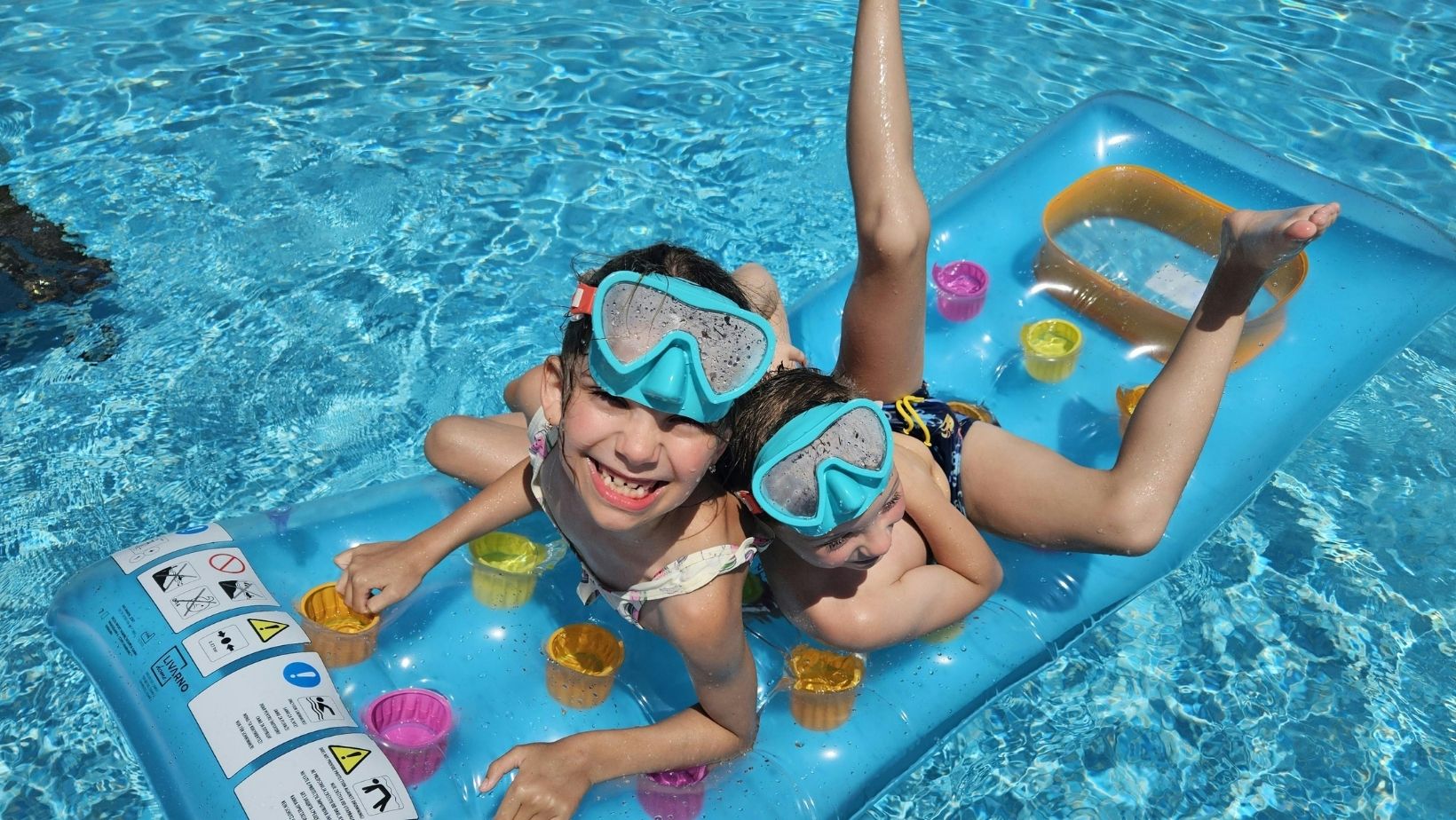
Swimming is more than just a recreational activity, it is a life-saving skill, a form of exercise, and a pathway to building confidence at any age. Whether for children taking their first steps in the water or adults overcoming long-held fears, structured learning plays a crucial role. Today, many families and individuals are turning to swimming classes to gain professional guidance, improve technique, and ensure water safety in a controlled and supportive environment.
This article explores how swimming lessons benefit both kids and adults, what to expect from structured programs, and why proper training is essential for long-term confidence and safety in the water.
Why Learning to Swim Is a Critical Life Skill
Drowning remains a serious global concern, particularly among children. According to the World Health Organization (WHO), drowning is one of the leading causes of accidental death worldwide. Learning to swim significantly reduces this risk and equips individuals with essential survival skills.
For children, swimming builds early familiarity with water, helping them develop coordination and reduce fear. For adults, it often represents a second chance an opportunity to learn a skill they may have missed earlier in life. In both cases, enrolling in swimming classes provides structured, professional instruction that emphasizes safety alongside technique.
Beyond safety, swimming is also a low-impact, full-body workout. It strengthens muscles, improves cardiovascular health, and enhances flexibility, making it suitable for all age groups.
Building Strong Foundations for Children
Children learn best through structured, engaging, and age-appropriate activities. Professional swimming lessons are designed to introduce water skills gradually, ensuring comfort and confidence at each stage.
In beginner-level classes, children are taught basic water acclimatization floating, breathing, and simple movements. These foundational skills are critical before advancing to strokes like freestyle or backstroke. Qualified instructors use games and interactive techniques to keep young learners engaged while reinforcing safety rules.
As children progress, they develop better coordination, stamina, and technique. More importantly, they gain independence and confidence in the water. Many parents in swimming classes prioritize early enrollment, recognizing that consistent exposure to swimming builds lifelong competence and reduces anxiety around water environments.
Overcoming Fear and Learning as an Adult
If we take Singapore as an example, adult learners often face different challenges compared to children. Fear, embarrassment, or past negative experiences can make it difficult to start. However, structured adult swimming programs across Singapore are designed with these concerns in mind.
Professional instructors at local facilities, whether at public pools, private swim schools, or condo-based classes, adopt a patient and supportive approach, allowing learners to progress at their own pace. Initial sessions typically focus on building water confidence, learning breathing control, and practicing basic floating techniques in a safe, controlled environment. Gradually, learners move on to stroke development and endurance training.
One of the most valuable aspects of adult swimming classes Singapore is the strong emphasis on confidence-building. As learners gain control over their movements, their fear diminishes, replaced by a sense of accomplishment. Many adults also report improved mental well-being and reduced stress, especially given Singapore’s fast-paced urban lifestyle, as they become more comfortable and relaxed in the water.
The Role of Professional Instructors and Structured Learning
Learning to swim without proper guidance can lead to poor technique and unsafe habits. Professional instructors bring expertise, structured lesson plans, and a strong emphasis on safety protocols.
Certified coaches assess each learner’s skill level and tailor lessons accordingly. They provide immediate feedback, correct mistakes, and ensure that students practice safely. In addition, structured programs often include clear progression levels, allowing learners to track their improvement over time.
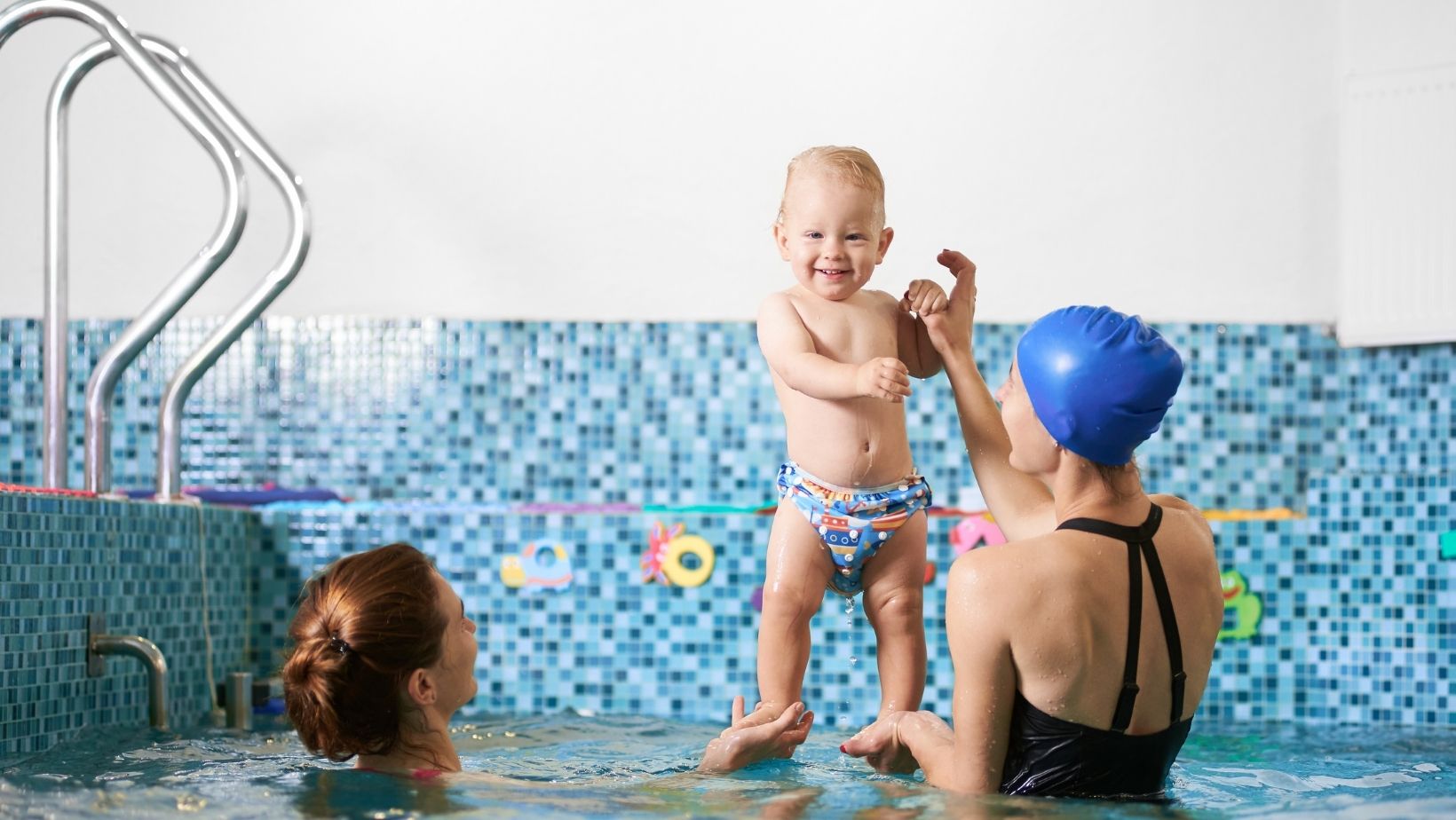
In swimming classes, instructors are typically trained in water safety and rescue techniques. This adds an extra layer of assurance for both parents and adult learners, knowing that safety is a top priority during every session.
Essential Skills Taught in Swimming Lessons
A well-designed swimming program goes beyond basic strokes. It focuses on a comprehensive set of skills that ensure both competence and safety in the water.
Key skills include breathing techniques, which are fundamental to maintaining rhythm and endurance. Floating and treading water are equally important, as they help individuals stay afloat in emergencies. Stroke development—such as freestyle, breaststroke, and backstroke enhances efficiency and control.
Advanced lessons may include diving, turns, and survival skills like water rescue basics. Many swimming classes incorporate these elements to provide a well-rounded learning experience that prepares students for real-world situations.
Health and Fitness Benefits of Swimming
Swimming is widely recognized as one of the most effective forms of exercise. It engages multiple muscle groups simultaneously, providing a full-body workout without placing stress on joints.
For children, swimming supports physical development, improving strength, coordination, and flexibility. It also encourages an active lifestyle, reducing the risk of sedentary habits.
For adults, swimming offers cardiovascular benefits, helping to lower blood pressure and improve heart health. It is particularly beneficial for individuals recovering from injuries or managing chronic conditions, as the buoyancy of water reduces strain on the body.
Participants in swimming classes often find that regular lessons not only improve their swimming ability but also contribute to overall fitness and well-being.
Creating a Safe and Supportive Learning Environment
A safe learning environment is essential for effective swimming instruction. This includes well-maintained pools, appropriate water depth, and strict adherence to safety guidelines.
Class sizes are typically kept small to ensure individual attention. This allows instructors to monitor each learner closely and provide personalized guidance. Safety equipment, such as flotation devices, is used when necessary to support beginners.
Equally important is the emotional environment. Encouragement, patience, and positive reinforcement help learners feel comfortable and motivated. In swimming classes, this supportive atmosphere is a key factor in helping students overcome challenges and achieve their goals.
Choosing the Right Swimming Program
Selecting the right swimming program can make a significant difference in the learning experience. Factors to consider include the qualifications of instructors, class size, and the structure of the curriculum.
Parents should look for programs that offer age-appropriate lessons and a clear progression path. For adults, it is important to choose classes that cater specifically to beginners or those returning to swimming after a long gap.
Flexibility in scheduling and location can also influence consistency, which is crucial for skill development. Many providers of swimming classes offer a range of options, including group lessons and private sessions, allowing learners to choose what best suits their needs.
The Long-Term Impact of Learning to Swim
Learning to swim is an investment that yields lifelong benefits. For children, it opens the door to various water-based activities, from competitive swimming to recreational sports. It also instills discipline, perseverance, and confidence.
For adults, mastering swimming can be transformative. It eliminates fear, enhances physical fitness, and provides a new avenue for relaxation and stress relief. In some cases, it even inspires individuals to pursue advanced training or participate in aquatic sports.
Consistent participation in swimming classes ensures that learners not only acquire skills but also maintain and refine them over time. This long-term commitment leads to greater proficiency and confidence in the water.
Building Confidence Through Progress and Practice
Confidence in swimming does not come overnight—it is built through consistent practice and gradual progress. Each milestone, from floating independently to completing a full lap, contributes to a sense of achievement.
Structured lessons provide a clear roadmap, helping learners understand what to focus on at each stage. Regular feedback from instructors reinforces good habits and corrects mistakes early.
In swimming classes, the emphasis on progressive learning ensures that students develop both competence and confidence. Over time, this confidence extends beyond the pool, influencing other areas of life by fostering resilience and self-belief.
Conclusion: Learning the Right Way for Lifelong Benefits
Swimming is a skill that combines safety, fitness, and personal growth. Whether for children building foundational abilities or adults overcoming fears, structured learning is essential for achieving meaningful results.
By enrolling in swimming classes, learners gain access to professional guidance, a supportive environment, and a structured pathway to improvement. These elements work together to ensure that individuals not only learn to swim but do so with confidence, competence, and a strong emphasis on safety.
Ultimately, the value of swimming extends far beyond the pool. It is a lifelong skill that empowers individuals, enhances well-being, and provides peace of mind in any water-related situation.