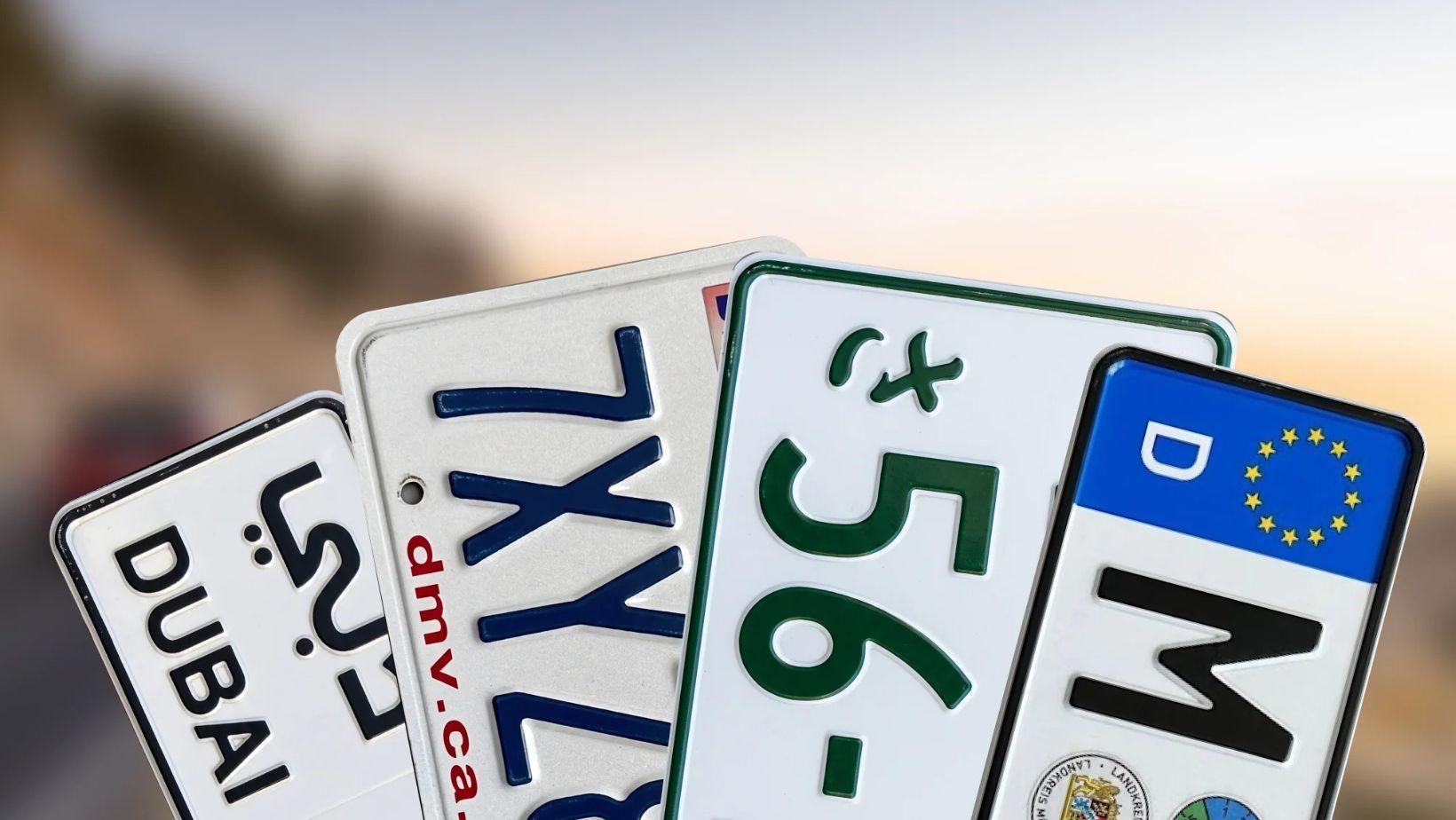
Today, license plates are such familiar features of vehicles that most people rarely consider their origins. Yet these simple identification systems have a remarkable history shaped by growing cities, changing transportation laws, and advances in manufacturing.
From handwritten numbers to reflective surfaces and digital databases, vehicle identification has evolved alongside the automobile itself. Today, specialized accessories such as license plate number stickers from Alite reflect growing interest in registration plate materials and surface treatments. This development reveals how vehicle identification continues to change.
The First Vehicle Registration Systems
During the late nineteenth century, automobiles were still unusual sights. As their numbers increased, authorities needed practical ways to identify owners and manage traffic.
France introduced an early vehicle registration system in 1893. Other countries gradually developed their own requirements, although numbering formats and registration procedures differed considerably.
Early identification plates were often basic. Some owners had to create or purchase their own plates using materials such as leather, metal, or enamel. Their purpose was primarily administrative rather than decorative. Clear identification helped authorities connect vehicles with registration records.
How License Plates Became Standardized
As automobile ownership expanded, governments introduced more consistent plate dimensions, numbering systems, and manufacturing practices. Metal plates became increasingly common because they offered durability and could display characters clearly.
Modern identification also created demand for specialized materials. Films and surface treatments became part of the wider development of registration plates. However, any accessory must comply with local rules governing plate visibility and identification.
Standardization made registration systems easier to administer, although countries continued developing distinctive national approaches.
Different Countries, Different Traditions
License plates reveal interesting differences in transportation history and national identity. Several recognizable approaches include:
- United States: States issue plates with different designs, slogans, and registration formats.
- United Kingdom: Registration numbers follow established combinations that can indicate a vehicle’s registration period.
- Germany: Plate prefixes identify the registration district associated with a vehicle.
- Japan: Plates use regional identifiers and classifications related to vehicle characteristics.
- Australia: States and territories operate their own registration systems and plate designs.
These differences reflect administrative structures, historical decisions, and local preferences. Despite variations in appearance, the underlying objective remains similar: connecting vehicles with official records.
The Introduction of Reflective Materials
Nighttime visibility became an important consideration as road networks expanded and driving after dark became more common. Reflective plate backgrounds helped make registration characters easier to recognize under suitable lighting conditions.
Manufacturers experimented with different coatings, printing methods, and durable materials to improve legibility. These developments also highlighted the relationship between human vision and photographic identification. Lighting, surface condition, and camera technology can influence how characters appear.
Today, many jurisdictions regulate plate colors, character spacing, reflectivity, and permitted modifications.
From Physical Plates to Digital Records
Vehicle identification no longer depends exclusively on visible characters. Modern registration databases connect plate numbers with administrative information, while automated recognition systems can process images captured by roadside cameras.
Digital technology has improved the speed of certain identification tasks, but it also raises questions about privacy, data retention, and appropriate oversight. Physical plates nevertheless remain essential because they provide a visible identifier without requiring electronic equipment on every vehicle.
What the Future May Bring
Vehicle identification continues to evolve as transportation becomes more connected. Digital registration services, improved manufacturing techniques, and new security features may change how registration systems operate. However, technological progress must balance convenience with readability, privacy, and regulatory consistency.
The history of license plates demonstrates how a seemingly ordinary object can reflect major changes in transportation. From handmade identifiers to standardized international systems, registration plates remain an important connection between vehicles, their owners, and the societies in which they operate.