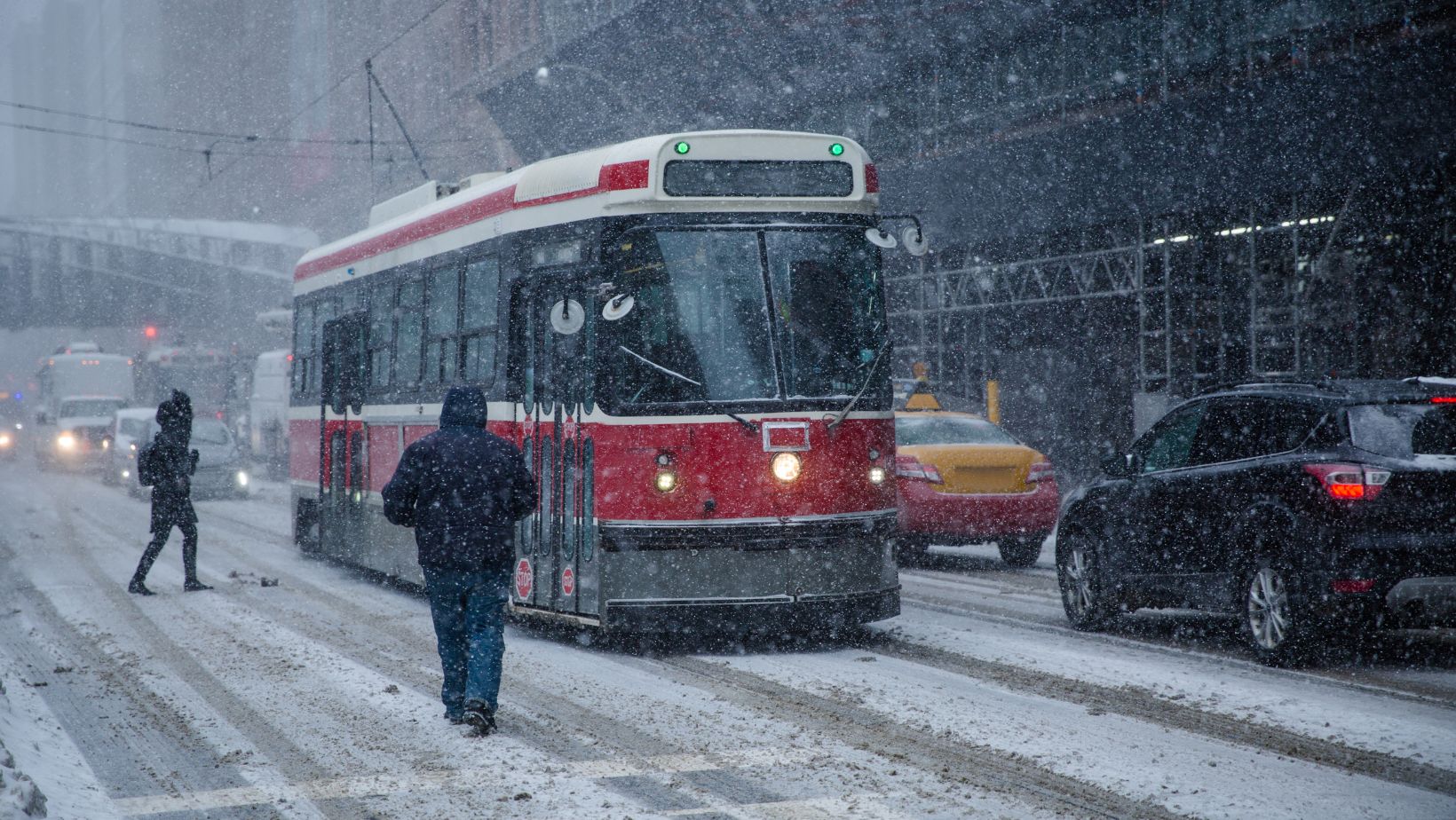
Winter commuting introduces a level of inconvenience that can disrupt routines, reduce comfort, and increase stress during daily travel.
Cold temperatures, unpredictable weather, and reduced daylight hours make every trip feel more demanding. Many commuters find themselves dealing with stiff muscles, wet clothing, low battery levels, and unexpected delays.
Preparing with the right essentials reduces these challenges and keeps the commute more manageable. Supportive items, such as compression wear from Copper Fit, warm layers, and safety-focused gear, can make demanding winter mornings far easier to handle. Thoughtful planning and practical tools allow commuters to stay focused, comfortable, and ready for the day ahead.
What Are the Real Challenges of Winter Commutes?
Winter commuting places a consistent strain on the body and routine. Lower temperatures tighten muscles and joints, making movement feel more rigid, particularly during early morning transit. Layers of heavy clothing can limit mobility, add weight, and make walking or carrying items more difficult. Weather conditions such as freezing rain, sleet, and snow create slippery surfaces and longer travel times. These factors can cause commuters to feel tense before the day has even begun.
Transportation delays are also more common during winter. Buses run behind schedule, trains move slowly, and car travel becomes less predictable. Commuters may spend more time standing outdoors or waiting without a reliable shelter. This can result in cold hands, stiff legs, and reduced comfort even before the workday starts.
Understanding these challenges highlights why a few well-chosen items can significantly enhance winter commuting and alleviate daily discomfort.
1. Layering That Maintains Comfort Without Bulkiness
Long winter commutes require warmth without unnecessary heaviness. Effective layering keeps the body insulated while allowing comfortable movement. A well-planned combination of a moisture-wicking base, a warm mid-layer, and a protective outer layer can regulate body temperature throughout the commute. Moisture-wicking materials help prevent dampness from sweat or melting snow, which is important for maintaining warmth.

The key is selecting garments that offer insulation without bulk. A lightweight thermal top or soft fleece jacket works well for the mid-layer, while a wind-resistant outer jacket protects against cold gusts during long walks or train platform waits. This approach reduces the discomfort caused by extreme temperature shifts between indoor and outdoor environments. When layers remain breathable and flexible, they prevent overheating while maintaining steady warmth.
2. Compact Safety Items for Unexpected Delays
Winter commuting can involve long or unexpected delays, which is why it’s essential to be prepared. A small set of essentials ensures readiness for dark hours, icy sidewalks, and stalled transportation. A portable LED light or clip-on reflective accessory improves visibility during low-light hours, especially when crossing streets or walking along busy roads. Hand warmers provide immediate relief for cold fingers, helping you maintain comfort while waiting outdoors.
Carrying a small, easily stored item such as a compact emergency blanket can also provide additional warmth if a commuter becomes stranded. These items do not take up much space in a bag and offer significant benefits during severe weather. Winter delays are often unavoidable, and safety-focused tools help commuters stay prepared throughout these unpredictable moments.
3. Tools That Keep Devices Powered and Functional
Cold weather drains device batteries at a faster rate, which can disrupt communication, travel apps, digital tickets, or navigation tools.
Keeping devices powered is an essential part of a smooth winter commute. A reliable power bank guarantees that phones are usable during long waits, reroutes, or emergency situations. Durable charging cables offer stability and reduce the risk of cable failure due to bending or cold-temperature stiffness.
Portable chargers are especially useful for commuters who depend on rideshare apps, digital identification cards, mobile payment systems, or communication with the workplace. Having a phone that is always functional reduces travel stress and prevents delays caused by dead batteries. Maintaining device power is a practical part of winter preparedness that supports both safety and convenience.
4. Accessories That Improve Traction and Mobility
Slippery sidewalks and icy streets turn a normal commute into a physical challenge. Footwear traction becomes increasingly important as temperatures drop and surfaces become more unpredictable. Simple additions, such as attachable shoe grips, increase stability and reduce the risk of slipping while walking to bus stops or from parking lots to office entrances. Shoes with tread designed for winter conditions further improve mobility and confidence during travel.
Gear Up, Stay Steady, and Commute With Confidence
Winter commuting is easier with preparation and thoughtful essentials. Warm layers that resist moisture, compact safety tools, reliable power solutions, traction-focused accessories, and post-commute recovery methods each play an important part in maintaining comfort. These items address the distinct challenges winter presents and support smoother, safer travel during the coldest months. With the right tools, commuters can stay organized, protected, and confident throughout the season.