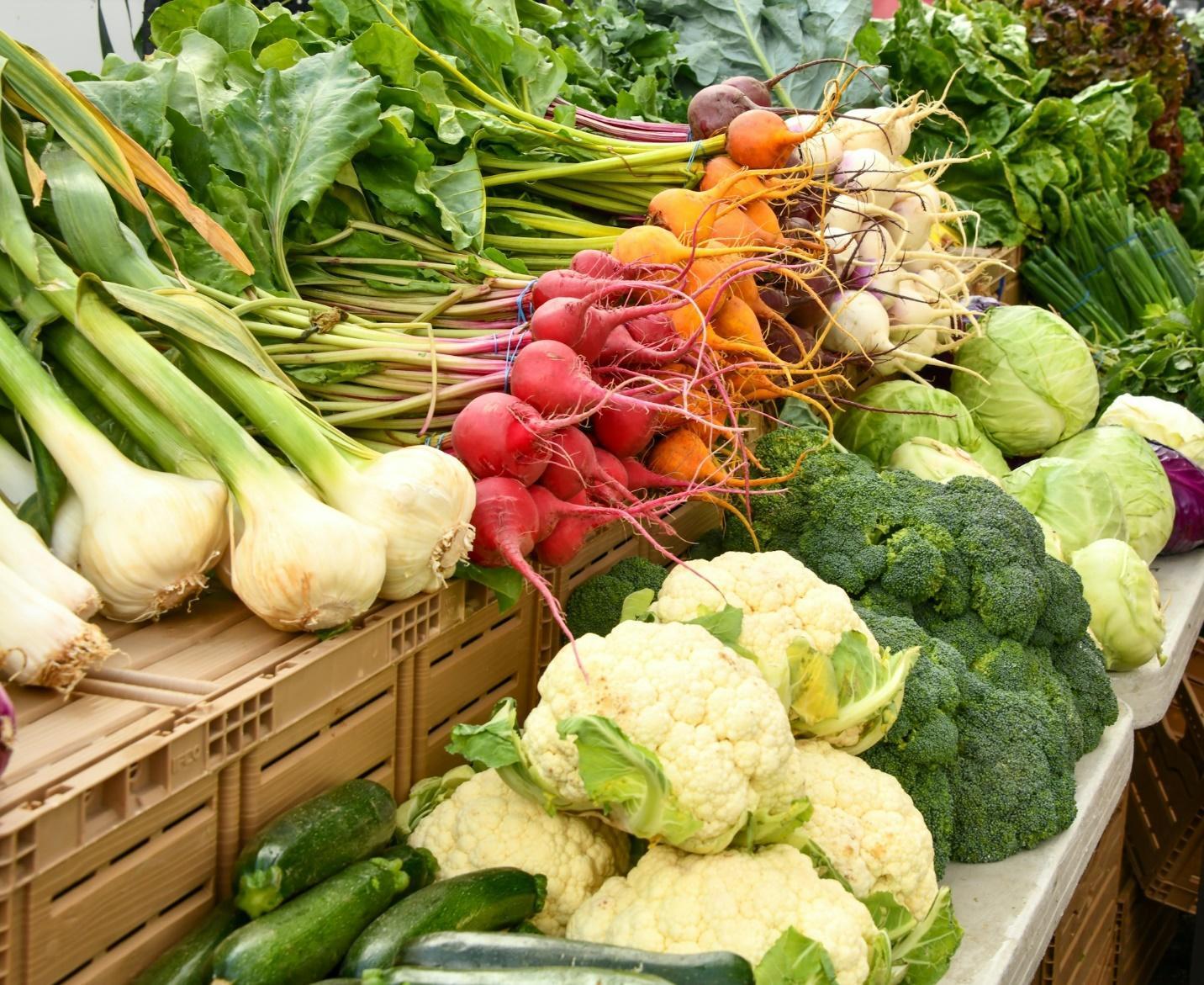
Fresh produce can arrive perfectly presentable and still underperform on the sales floor. Shoppers make fast visual decisions, and merchandising problems can make good food seem less fresh or harder to buy.
Effective produce displays help customers spot quality, understand value, and imagine dinner. When the presentation creates doubt or friction, shoppers may buy less, choose a packaged alternative, or leave the department. Here are the mistakes that drain sales.
Overfilling Fixtures
A display piled high suggests abundance, but too much weight damages delicate items at the bottom. Bruised peaches, crushed tomatoes, and wilted greens quickly weaken the impression of freshness.
Oversized piles also complicate stock rotation. Your clerks may top up the display without moving older produce forward. Match display depth to the product. Sturdy apples tolerate more stacking than ripe pears, berries, or stone fruit.
Leaving Empty Gaps
Bare shelves and half-empty tables suggest poor selection, even if what’s available is of good quality. Customers may assume the best produce has already been picked over. Bare shelves are also known to cause anxiety in some shoppers.
Use smaller baskets, dividers, risers, or angled trays as inventory sells down. These keep the presentation intentional without adding more product than you can sell while fresh. A compact, well-faced display looks better than a large fixture with scattered items.
Ignoring Colour and Contrast
When every green item is placed beside each other, individual products disappear. Strategic contrast helps shoppers scan the department and makes colours look more vivid.
Place red peppers near leafy greens or bright citrus beside dark avocados. Neutral baskets, crates, and signage can frame the produce without competing with it. Keep common categories and recipe pairings easy to understand.
Making Prices Hard to Read
Customers should never have to hunt for a price or guess which sign belongs to which product. Confusing labels create hesitation, especially when items use different units, such as per pound, per item, or per package.
Position signs beside the relevant product and use large, legible numbers. Include the variety, origin, and unit of sale. State promotion conditions clearly. Accurate signage builds trust and speeds up comparisons.
Overlooking Shopping Behaviour
A beautiful display can fail if it blocks traffic, hides products from common sightlines, or forces awkward reaching. Heavy items placed too high and delicate items displayed too low are especially inconvenient.
Watch how people move through the produce department. Can someone using a mobility device reach popular products? Can two carts pass comfortably? Are impulse-friendly items visible from the main aisle? Design should follow real behaviour, not an idealized floor plan.
Forgetting Cross-Merchandising
Produce sells more easily when customers can picture a meal. A standalone avocado display offers an ingredient; avocados beside tomatoes, limes, and a guacamole suggestion offer a plan.
Keep pairings useful and selective. Too many unrelated add-ons create clutter. Seasonal ideas, quick recipes, and complementary ingredients can increase basket size while helping busy shoppers decide faster.
Treating Maintenance as a Once-a-Day Task
Freshness changes by the hour. One leaking berry container, split melon, or wilted bunch can affect how customers judge the entire department.
Schedule short inspections throughout the day. Remove damaged items, clean surfaces, rotate stock, correct signs, and resize displays as inventory falls. Track products that repeatedly deteriorate in specific locations. Heat, airflow, lighting, misting, or excessive stacking may be responsible.
Make Every Square Foot Earn Its Place
Your produce department communicates quality before anyone reads a label. Walk it from the shopper’s point of view, photograph weak areas, and compare the images over time. Change one display and measure sales, waste, and replenishment needs. A fixture that attracts attention and protects food can turn routine maintenance into a reliable sales advantage.