It is a beautiful sunny day, and the last thing on your mind is the structural integrity of your attic. You might notice a tiny water stain on the ceiling, but figure it was a one-time fluke since it hasn’t grown in weeks. However, everything changes when a massive storm rolls in and suddenly that tiny spot turns into a steady drip. If you find yourself scrambling for a bucket, you probably need professional roof repair Heber City services to figure out why your home only fails the stress test when the clouds open up. These “ghost leaks” are frustrating because they disappear as soon as the sun comes out, making them very easy to ignore until they cause serious rot.
The Mystery of the Heavy Downpour
When a roof leaks only during a torrential downpour, it usually means the drainage system is getting overwhelmed. Most roofs can handle a light sprinkle without any trouble because the water moves quickly off the shingles and into the gutters. But when you get two inches of rain in an hour, the volume of water creates a different set of physics on your rooftop. Water starts to back up and pool in areas it was never meant to sit.
Think of your roof like a series of umbrellas layered on top of each other. If you pour a cup of water on them, it slides right off. If you hit them with a fire hose, the water might splash upward or sideways, finding its way underneath the edges. This is exactly what happens during a heavy storm. Wind-driven rain can push water horizontally, forcing it under shingles or behind siding where it eventually finds a path into your living room.
Clogged Gutters and the Backup Effect
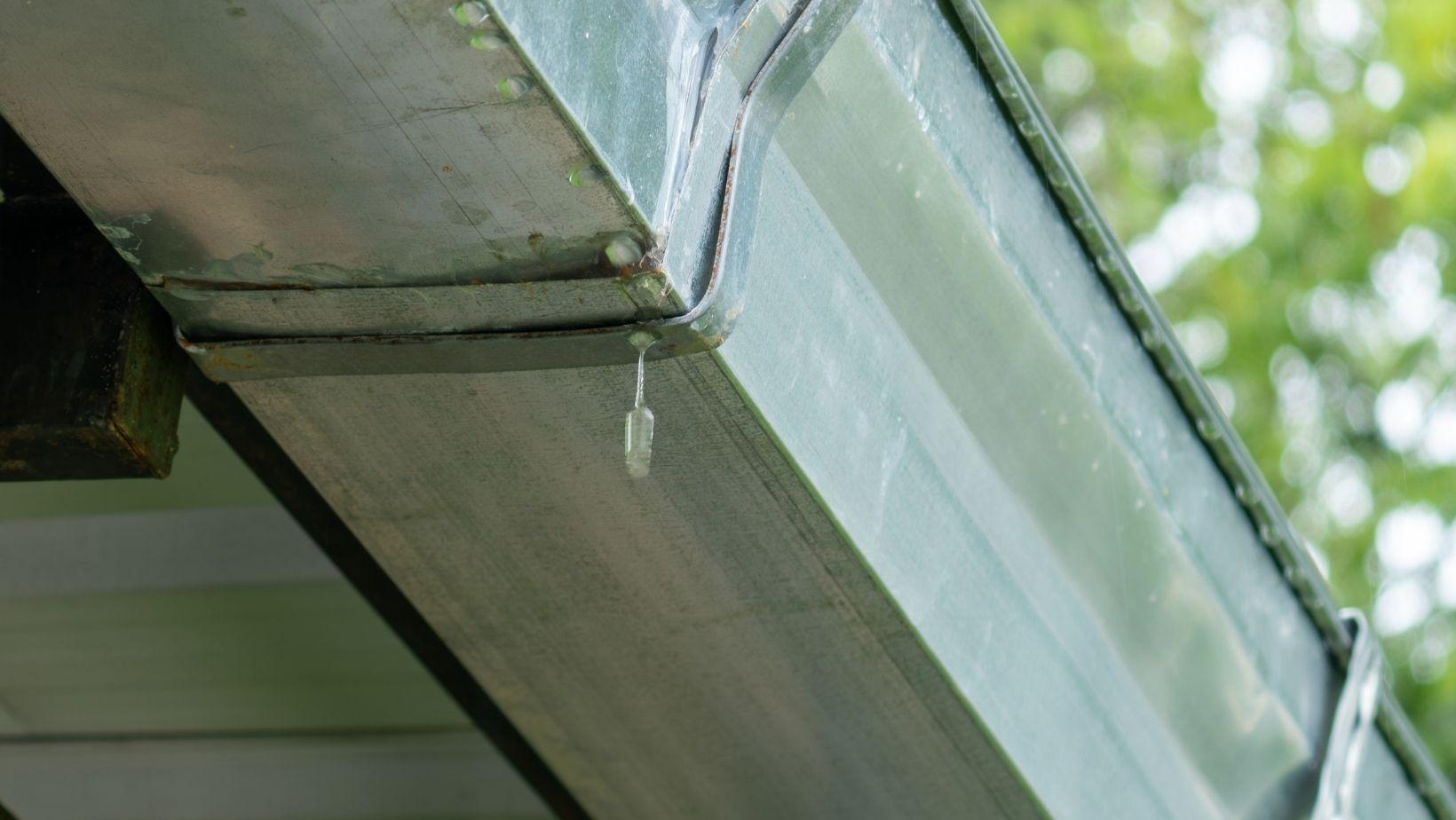
One of the most common reasons for a storm-specific leak has nothing to do with the shingles themselves. If your gutters are full of leaves, pine needles, or dirt, they cannot channel water away fast enough during a heavy rain. When the gutter fills up, the water has nowhere to go but up and back.
This leads to a phenomenon where water seeps under the roof’s edge or gets behind the fascia board. You might see water dripping from the top of a window frame or notice a damp spot on the wall near the exterior of the house. Because this only happens when the gutters overflow, the leak seems to vanish during light rain. Keeping those troughs clear is the first step in diagnosing if you have a real roofing problem or just a plumbing issue on the edge of your house.
Flashing Failures and High Volume
Flashing is the thin metal material installed around chimneys, vents, and where roof planes meet. It is designed to be the ultimate barrier against water. However, flashing relies on gravity to work correctly. In a massive storm, the sheer volume of water rushing down the valleys of your roof can rise above the height of the flashing.
If there is a small gap in the sealant or a rusted hole in the metal, a light rain might not provide enough water to actually reach that opening. But during a deluge, the valley becomes a literal river. That river rises, hits the gap, and pours directly into your attic. These leaks are often the hardest to find because they are tucked away in the “nooks and crannies” of the roof structure.
The Role of Roof Vents
Your roof needs to breathe, so it has various vents cut into it to allow heat to escape. These vents are usually protected by hoods or collars. During normal weather, they do their job perfectly. But when heavy rain is accompanied by high winds, the rain can actually be blown upward and into the vent opening.
This isn’t necessarily a sign that your roof is falling apart, but it might mean your vents aren’t the right style for a high-wind environment. If you see a leak only when the wind is whipping from a specific direction during a storm, the vents are likely the culprit.
Why Small Leaks Lead to Big Problems
It is tempting to look at a small, occasional leak and think you can put off the fix. The problem is that water is patient. Every time it enters your home, it soaks into the wood framing and the insulation. Over time, this leads to mold growth that you cannot see. Even if the drywall dries out between storms, the structure behind it stays damp. By the time the ceiling actually sags or turns black with mold, the repair bill will be significantly higher than if you had addressed the intermittent leak right away.
Final Word
Ignoring a leak just because the sun is shining is a recipe for a housing headache. If your home struggles every time a big storm hits, you should contact a team for roof repair Heber City to inspect the flashing and gutters. Catching these issues before they become permanent dampness problems will save your attic and your wallet. Stay dry and keep an eye on those ceilings the next time the clouds turn grey.