hiking trails penguin tracking premiums thoughts thelowdownunder is a practical guide for hikers and wildlife fans. It lists safe trails, legal steps, and gear. It explains how guided and premium options differ from solo hikes. It gives timing and hotspot tips for Australia and New Zealand. It ends with clear personal tips and common mistakes. The guide aims to help readers plan firm, low-impact penguin experiences.
Key Takeaways
- Choosing official hiking trails with designated viewing platforms ensures safe and respectful penguin tracking experiences.
- Obtaining necessary permits and following park rules minimizes disturbance to penguin colonies and supports conservation efforts.
- Guided tours offer expert insights, permit handling, and exclusive access, while independent hikes provide flexibility but require thorough preparation and responsibility.
- Premium penguin tracking options cover specialized services like small groups, extended hours, and equipment, but comparing inclusions helps avoid overpaying.
- Packing essential gear like sturdy shoes, red-filtered headlamps, and binoculars, along with checking local conditions, enhances safety and observation quality.
- Plan visits during spring and early summer in hotspots like Phillip Island and Otago Peninsula for the best penguin sightings and behaviors.
Where To Hike For The Best Penguin Encounters
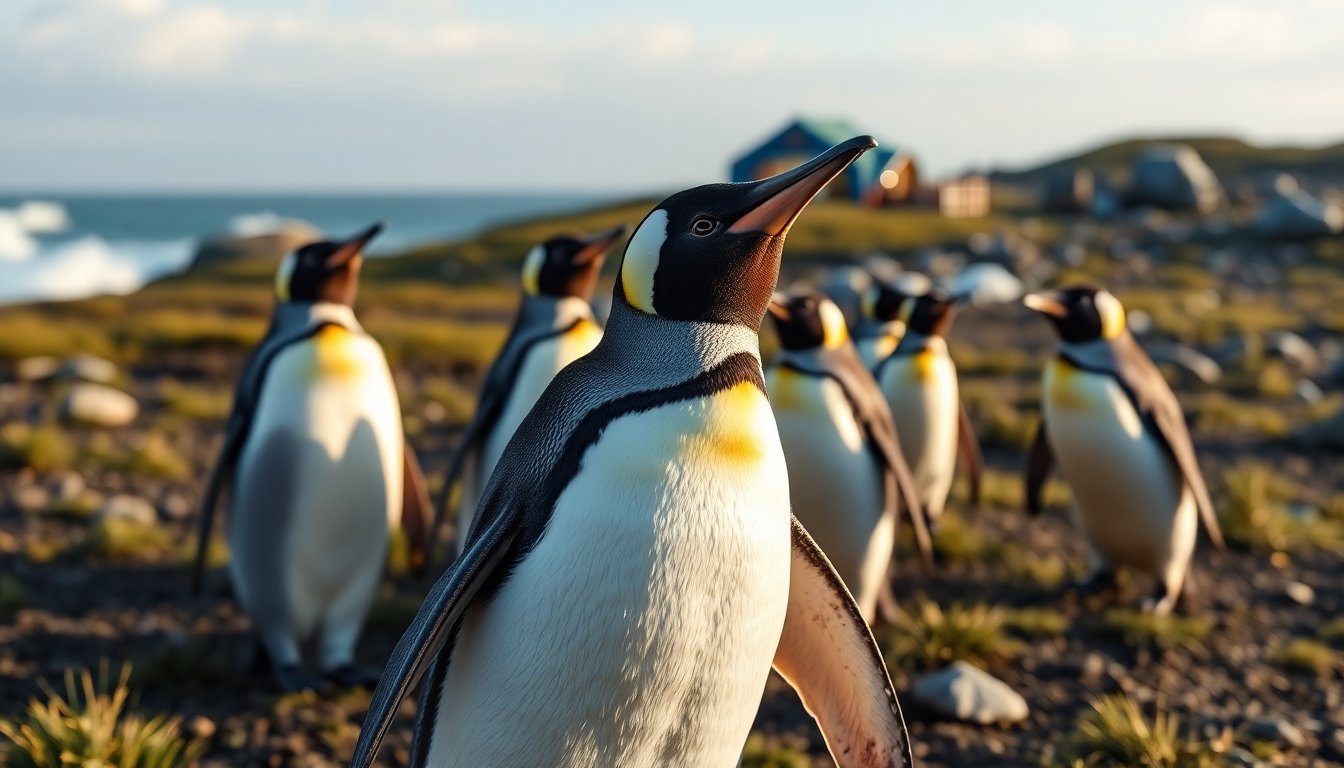
Coastal reserves and island tracks give the best chance to see penguins. He should pick trails with official viewing platforms. She should avoid paths that cross nesting zones. Rangers often mark safe routes and hours. Parks like Phillip Island, Otago Peninsula, Kaikōura, and Bruny Island have marked trails and ranger talks. Trails near dunes and rocky outcrops often host small colonies. Visitors should stick to boardwalks and signs. Doing so protects chicks and keeps the colony calm. Local visitor centers list current access rules and sighting reports.
Responsible Penguin Tracking: Permits, Ethics, And Minimizing Disturbance
Parks require permits in many protected areas. He must apply early for group permits. She must follow distance rules and light restrictions at night. Use red filters on flashlights if the park allows night access. Keep voices low and move slowly near colonies. Do not enter roped areas or handle birds. Report sick or injured birds to park staff. Carry any required documentation and follow ranger instructions. Respect rules. Doing so reduces stress on birds and lowers the chance of accidental nest abandonment.
How Guided Tours And Premium Options Differ From Independent Hikes
Guided tours provide structured access and local knowledge. They include transport, a guide, and sometimes exclusive viewing areas. Premium options add smaller groups, extended hours, or private hides. Independent hikers keep costs low and keep flexible schedules. Independent hikers must research permits and route conditions. Tours handle permits and parking. Guides point out behavior that indicates nest success or problems. Tours also reduce the risk of rule breaches. Independent hikers often find quieter moments on open trails, but they must accept more responsibility for impact and safety.
Cost Breakdown: What Premiums Cover And How To Avoid Overpaying
Premium prices cover guide fees, restricted access, and small-group sizes. They also cover early-morning or late-night viewing, hides, and specialist optics. He pays more for transport from major cities and for on-site meals. She can avoid overpaying by comparing inclusions. Ask if permits, park fees, and gear are in the price. Check cancellation terms. Look for community-run tours for lower fees and solid local knowledge. Book off-peak dates and join small shared groups. Read reviews and confirm guide credentials before booking.
Essential Gear, Safety Tips, And Trail Prep For Penguin Hikes
Wear sturdy shoes with good grip. Pack a warm, windproof layer. Carry water, snacks, and a basic first-aid kit. Use a headlamp with a red filter for night approaches. Bring binoculars and a camera with a good zoom. Keep camera flash off. Check tide charts for coastal tracks. Share itinerary with someone and carry a charged phone and spare battery. Learn basic bird ID and signs of disturbance. Follow trail markers and do not shortcut fences. If weather turns bad, retreat to safer ground and notify rangers if needed.
Best Times Of Year And Local Hotspots In Australia And New Zealand
Spring and early summer often show chicks and active parents. In winter, penguins may return to sea and sightings drop. Phillip Island has reliable nightly penguin parades in warmer months. The Otago Peninsula shows little blue penguins near dusk. Bruny Island and the Tasman coast host fairy penguins and little penguins at select beaches. In New Zealand, Kaikōura and Oamaru offer guided viewing close to town. He should check local seasonal notes and recent sighting reports. She can time trips for chick-rearing windows to see feeding and guarding behaviors.
Personal Tips, Common Mistakes, And Final Practical Thoughts From The Lowdown Under
Start hikes before dusk to pick safe routes and parking. Bring layered clothing and waterproofs for sudden weather. Do not trust casual social posts for access rules: confirm with park services. Common mistakes include using bright lights, walking through nesting areas, and arriving in large noisy groups. He should carry a small notebook to record sightings and times. She should learn basic colony signals, like rapid call changes that mean alarm. Plan trips with conservation in mind. Small respectful choices make penguin hikes better for everyone and for the birds.