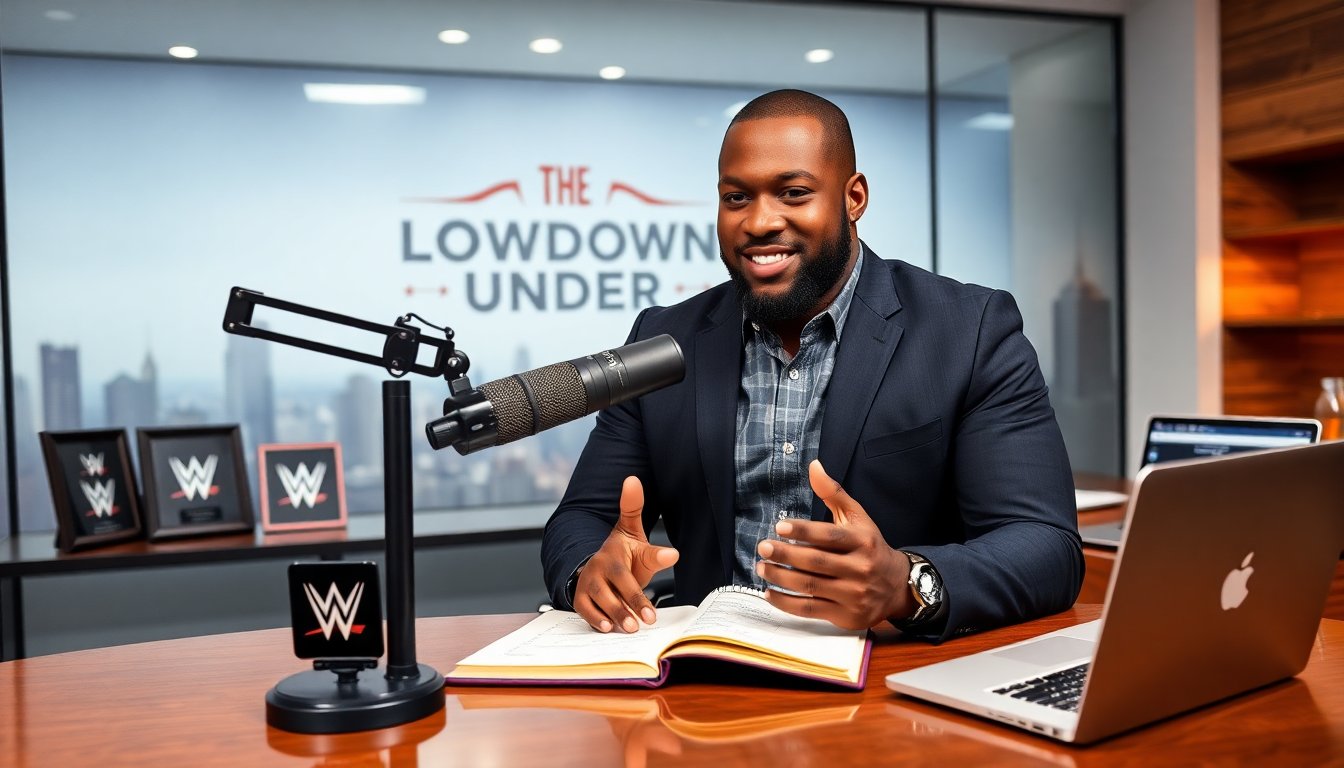
mark henry thelowdownunder opens with a direct question about legacy. He answers with clear memories from weightlifting and wrestling. The interview frames his career in simple terms. He describes wins, injuries, and career choices. He speaks plainly about moments that shaped him. The tone stays candid and unadorned. The segment prepares the listener for specific stories and lessons.
Key Takeaways
- Mark Henry’s career transitioned from an Olympic weightlifter setting records to a WWE Hall of Famer known for his strength and adaptability in wrestling.
- Injuries led Henry to evolve his wrestling style from power moves to more deliberate and safe techniques, emphasizing longevity.
- Mentorship is central to Henry’s philosophy, advising young wrestlers to lift smart, respect match pacing, and learn from veteran feedback.
- He highlights the importance of tracking training, logging injuries, and planning career transitions to sustain athlete health and success.
- Henry’s candid stories reveal how small choices—like timing in promos or safety in spots—can significantly impact performance and audience connection.
- Maintaining connections to the strength community and advocating for athlete health have been key parts of Henry’s lasting influence beyond the ring.
Career Snapshot: From Olympic Weightlifter To WWE Hall-Of-Famer
Mark Henry began his public athletic life as a weightlifter. He won national and international medals. He qualified for the Olympics and he set records in powerlifting. He then moved into professional wrestling where he used his strength and stature to craft a new persona.
He signed with WWE in the mid-1990s. He debuted as a raw power figure and he adapted to character work. He won multiple championships, including a World Heavyweight title and tag gold. He also earned recognition for his role as a credible draw in marquee matches.
He suffered injuries that forced him to change his in-ring style. He shifted from constant power moves to more reserved, deliberate offense. He then embraced roles outside the ring. He served as a mentor, trainer, and ambassador for younger talent.
He later entered the WWE Hall of Fame. The Hall recognized his achievements across sports. This honor marked a public acceptance of both his weightlifting and wrestling careers. His induction highlighted his longevity and his influence on athletes who followed.
Throughout his career he maintained ties to the strength community. He competed in exhibitions and he spoke at events that promote Olympic lifting and powerlifting. He also used his platform to discuss athlete health and long-term care after retirement.
He continued to appear on TV and in media. He booked selective matches and he returned for special events. He also worked behind the scenes as a coach and producer. He focused on passing on technical skill and on stewarding safe practices in training and performance.
His career shows a clear arc from athlete to entertainer to elder statesman. He stands as a model of longevity for someone who started with raw strength and who then built a varied professional life.
Mark Henry On The Lowdown Under: Episode Highlights And Takeaways
The interview on mark henry thelowdownunder covers several concrete topics. He discusses early training routines and he explains how those routines shaped his discipline. He describes specific lifts and he names coaches who guided him. He credits those people with building his technical base.
He gives blunt accounts of injury and recovery. He explains how injuries limited his mobility and how he adjusted his in-ring work. He explains choices he made to protect his long-term health. He also describes the mental toll that long rehabs had on him and how he found simple ways to stay motivated.
He talks about character work in WWE. He explains how small gestures or lines made a segment work. He gives an example of a promo that changed audience reaction. He also explains how timing and physical presence matter more than flashy moves.
He reflects on mentorship and on the duty to younger wrestlers. He lists practical advice: lift smart, learn psychology, and respect match pacing. He recommends that newcomers study older matches and that they listen to veteran feedback. He stresses that experience teaches safe ways to perform risky sequences.
He addresses fame and public perception. He notes that the public often sees only highlights. He gives examples of ordinary days off camera and he explains how those days kept him grounded. He also discusses how he used media to shape a consistent image.
He shares concrete lessons for fans and for athletes. He says to track training, to log injuries, and to plan for transitions. He also says to seek simple networks of support such as coaches, medical staff, and trusted peers.
He uses plain language and he avoids jargon. The episode gives direct, usable insights rather than vague platitudes. Listeners who follow the interview gain clear steps they can apply to training, recovery, and career planning.
Notable Quotes, Stories, And Behind-The-Scenes Anecdotes From The Interview
He recalled a training day where he lifted while a stadium echoed with fans. He said, “I felt alive.” He used that memory to explain why he returned to the ring after layoffs.
He described a backstage moment with a younger star. He told the star to slow down a spot and to keep the opponent safe. He said that simple correction prevented a serious injury. He framed the moment as proof that small choices matter.
He shared a line he used in promos that changed crowd response. He explained how he tested the line in short segments and how he adjusted his tone. He used this example to show that small changes in delivery can alter outcomes.
He told a story about travel and recovery. He said he learned to rest on planes and to keep a strict routine. He said this habit helped him avoid flare-ups. He offered the routine as a practical tip for athletes who travel often.
He gave an honest take on retirement choices. He said he weighed financial, physical, and family factors. He then chose to step back when he felt that the risks outweighed the rewards. He framed this choice as a plan rather than an abrupt end.
He closed several answers with short lessons. He said, “Track the work. Respect the body. Teach the next guy.” These lines summed his practical approach.
The anecdotes in mark henry thelowdownunder show a person who speaks plainly. The stories highlight concrete decisions and clear trade-offs. They give listeners direct insight into training, performance, and life after peak competition.