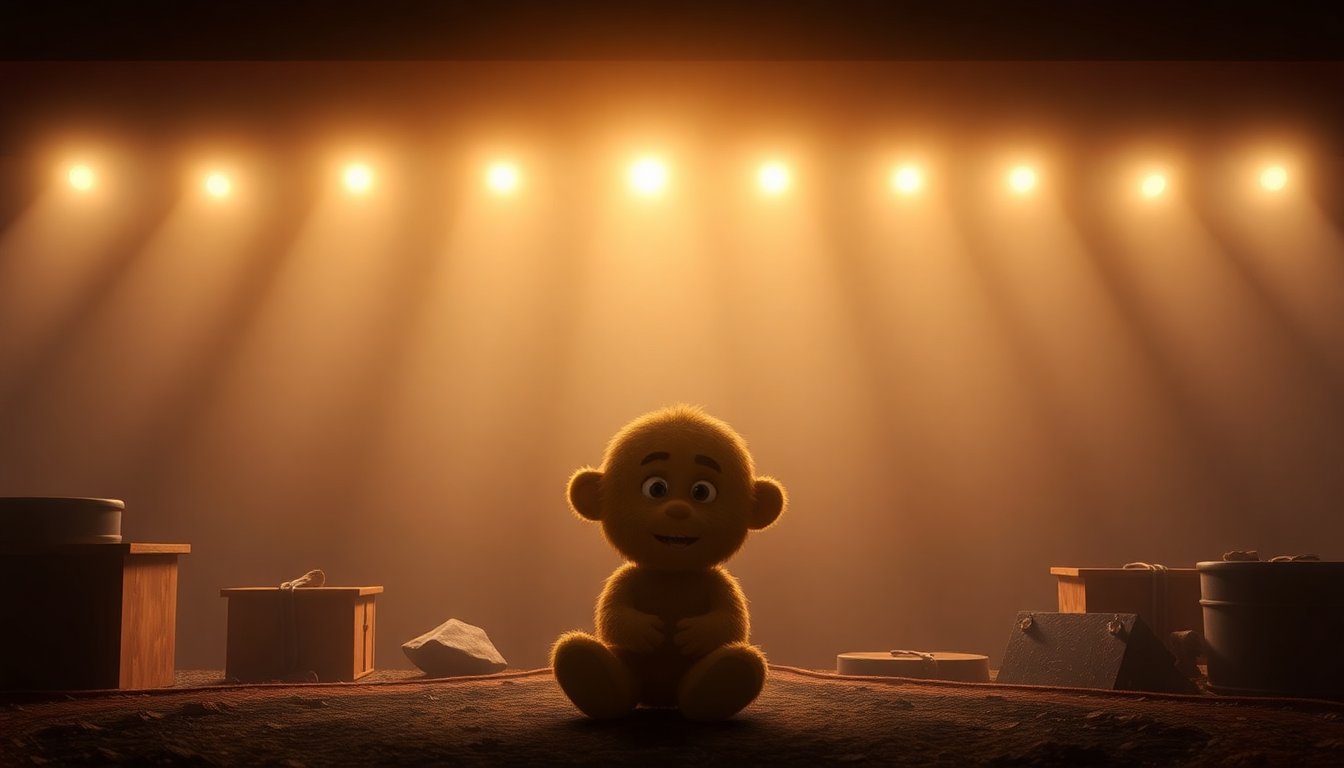
Henry the lowdown under appears as a curious title. The piece starts with a short hook. Readers learn what it is and why it matters. The opener names the work and sets expectations. It states scope, basic tone, and where to look next. It keeps language plain and directs readers to the main sections that follow.
Key Takeaways
- Henry the lowdown under is a narrative blending humor and melancholy through a central character named Henry, delivering a low, honest perspective.
- The work originated in the early 2020s as a small, independent project that grew via social sharing and modest publishing partnerships.
- Characters in the story have clear, relatable motivations that reveal everyday struggles and choices without large-scale events.
- Themes focus on shame, pride, and small kindness with a wry, plain tone appealing to adults who enjoy short, honest, character-driven stories.
- The piece has gained a cult following, inspiring local theater and online discussions, and is accessible on major streaming platforms and indie publishers.
- Fans looking to engage with Henry the lowdown under should explore official channels, libraries, and bookstores for episodes and print editions.
What Is Henry The Lowdown Under? A Clear Snapshot
Henry the lowdown under is a narrative work that blends humor and melancholy. It uses a single central figure named Henry. The story places Henry in odd settings. The piece mixes short scenes and reflective monologues. It runs across several formats in different releases. The writing leans toward modern prose with small bursts of lyricism. The tone balances irony with genuine feeling. Readers find it quick to read and easy to quote. Many call it a cult favorite. The title Henry the lowdown under signals a low, honest view from the lead character.
Origins, Creators, And Historical Context
Henry the lowdown under began as a small project in the early 2020s. A team of independent writers developed the first draft. They filmed short episodes and posted them online. Fans responded strongly and the team expanded the work into longer formats. The creators drew from street-level stories and simple daily observations. They used accessible language and small sets. The early context includes post-pandemic media shifts and a desire for low-cost production. The project grew through word of mouth and social sharing. It later attracted a modest publisher and a streaming partner.
Characters And Plot Overview
The story centers on a few key players. Each character serves a clear purpose. The scenes move through a short time span. The plot avoids large-scale events and keeps focus on character choices. The narrative shifts between present action and short memory pieces. The structure repeats small arcs that add up to a full portrait of Henry and his world.
Main Characters And Their Motivations
Henry acts as the observer and the doer. He wants simple grace and honest work. Mira serves as the practical foil. She seeks stability and clear rules. Paul plays the friend who breaks rules to test limits. The minor players show common life pressures: money, family, and pride. Each character speaks in plain lines. Each scene shows a small decision that reveals need and habit. The motivations stay direct and easy to track.
Themes, Tone, And Target Audience
Henry the lowdown under explores shame, pride, and small kindness. It asks how people recover from small losses. The tone stays wry and plain. It does not moralize. It shows choices and allows readers to judge. The target audience includes adults who prefer short, honest stories. Fans of character-driven work will respond. The writing fits readers who like smart voice and low spectacle. The pacing suits serial readers and short-form consumers.
Reception, Cultural Impact, And Where To Watch Or Read
Henry the lowdown under found a small but vocal audience. Critics praised the voice and the tight scenes. Some reviewers noted its clear, humane view of ordinary life. The work inspired local theater pieces and reader essays. It also sparked online threads that analyzed Henry’s choices. To watch or read, search major streaming services and indie publishers. The creators list official links on their social channels. Libraries and small bookstores may carry print editions. Fans should check episode lists and publisher pages for official releases.