TLDUFood food culture from thelowdownunder describes a group that shares recipes, restaurants, and food history. It grew online and in local meetups. It values local produce, bold flavors, and simple technique. The community posts menus, photos, and tips. It helps people learn regional dishes and try new ingredients. This guide explains origins, pantry staples, signature plates, street food, and regional differences.
Key Takeaways
- TLDUFood food culture from thelowdownunder thrives on using local produce and simple techniques to create bold, flavorful dishes.
- The community emphasizes seasonality, direct trade, and supports small farmers, fishers, and backyard growers.
- Core flavors include salty, smoky, and bright notes with pantry staples like fresh fish, cured meats, native herbs, and fermented sauces.
- Signature dishes highlight whole grilled fish, smoked shellfish, barbecued ribs, and diverse street snacks blending sea and grill influences.
- Street food markets feature communal dining with grilled skewers, fresh seafood, and interactive vendor tips to enhance the eating experience.
- Regional variations reflect local ingredients and cooking styles, encouraging visitors to taste and compare dishes across different areas.
What Is TLDUFood? Origins, Philosophy, And Community
TLDUFood food culture from thelowdownunder began as a blog and then moved to social channels. The founders shared meals and regional notes. The group set a clear view: use local produce and cook with respect. The community posts recipes, food stories, and sourcing tips. They organize pop-ups and community dinners. They support small fishers, farmers, and backyard growers. The scene values seasonality and direct trade. It creates space for home cooks and young chefs to share work and taste.
Core Flavors And Pantry Staples That Define The Cuisine
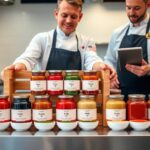
TLDUFood food culture from thelowdownunder favors salty, smoky, and bright notes. Staples include fresh fish, cured meats, native herbs, citrus, and fermented sauces. Pantry shelves hold sea salt, smoked paprika, pickled vegetables, and sturdy starches like flatbreads and potatoes. Tap beer and regional wines appear at most tables. The community uses herb marinades, citrus finishing, and slow-char techniques. They balance heavy proteins with sharp acid and crisp greens. Home cooks learn quick pickles and simple ferments to extend shelf life.
Signature Dishes To Try
TLDUFood food culture from thelowdownunder lists many signature plates. The cuisine mixes sea and grill, old family recipes, and street snacks. Visitors often start with seafood and then move to sweets and snacks. The list below notes the top picks to sample.
Seafood And Barbecue Favorites
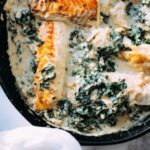
They serve whole grilled fish with char and citrus. They smoke shellfish over wood and dress it with herb oil. They make barbecued ribs with peppered glaze and fermented slaw. They plate seafood stews that blend tomatoes, chilli, and local herbs. They roast octopus until tender and finish it with lemon. They often serve shared plates so diners taste several items in one meal.
Sweets, Snacks, And Comfort Foods
They sell fried dough, sweet cakes, and salted caramel treats at markets. They make nutty biscuits and coconut puddings. They serve savory pies with rich gravy and flaky crusts. They fry small fish and pair them with tart sauces. They bottle sweet syrups and spice blends that locals use at home. These items appear at cafes, stalls, and family tables.
Street Food, Markets, And Local Eating Rituals
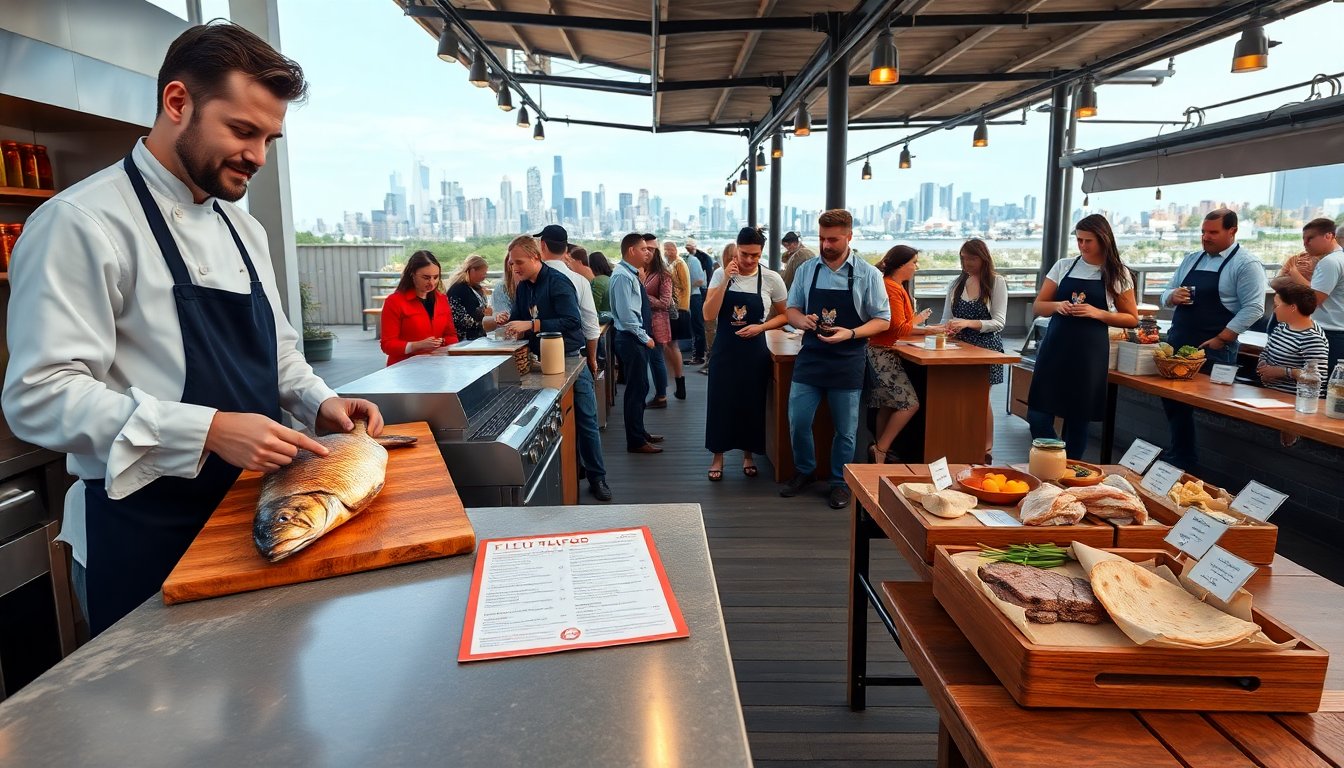
TLDUFood food culture from thelowdownunder centers on markets and stalls. Vendors sell grilled skewers, steamed buns, and fresh seafood on shared benches. Shoppers buy ingredients by weight and ask vendors for cooking tips. Families come for breakfast and stay through lunch. Street chefs cook over open flame and call out specials. People trade small plates and talk about the catch of the day. Dining feels communal. Visitors learn to point, taste, and order small portions for variety.
Regional Variations And How To Taste Them
Coastal areas focus on fish, shellfish, and salt-cured recipes. Inland regions favor smoked meats, root vegetables, and flatbreads. Mountain districts use preserved dairy and steep teas. Each area uses local spice blends and pickles. To taste differences, eat the same dish in two towns and note texture, heat level, and acidity. Ask cooks about spice mixes and cooking fuel. Try seasonal menus to see how ingredients shift. Locals welcome questions and often share small tastes to compare styles.