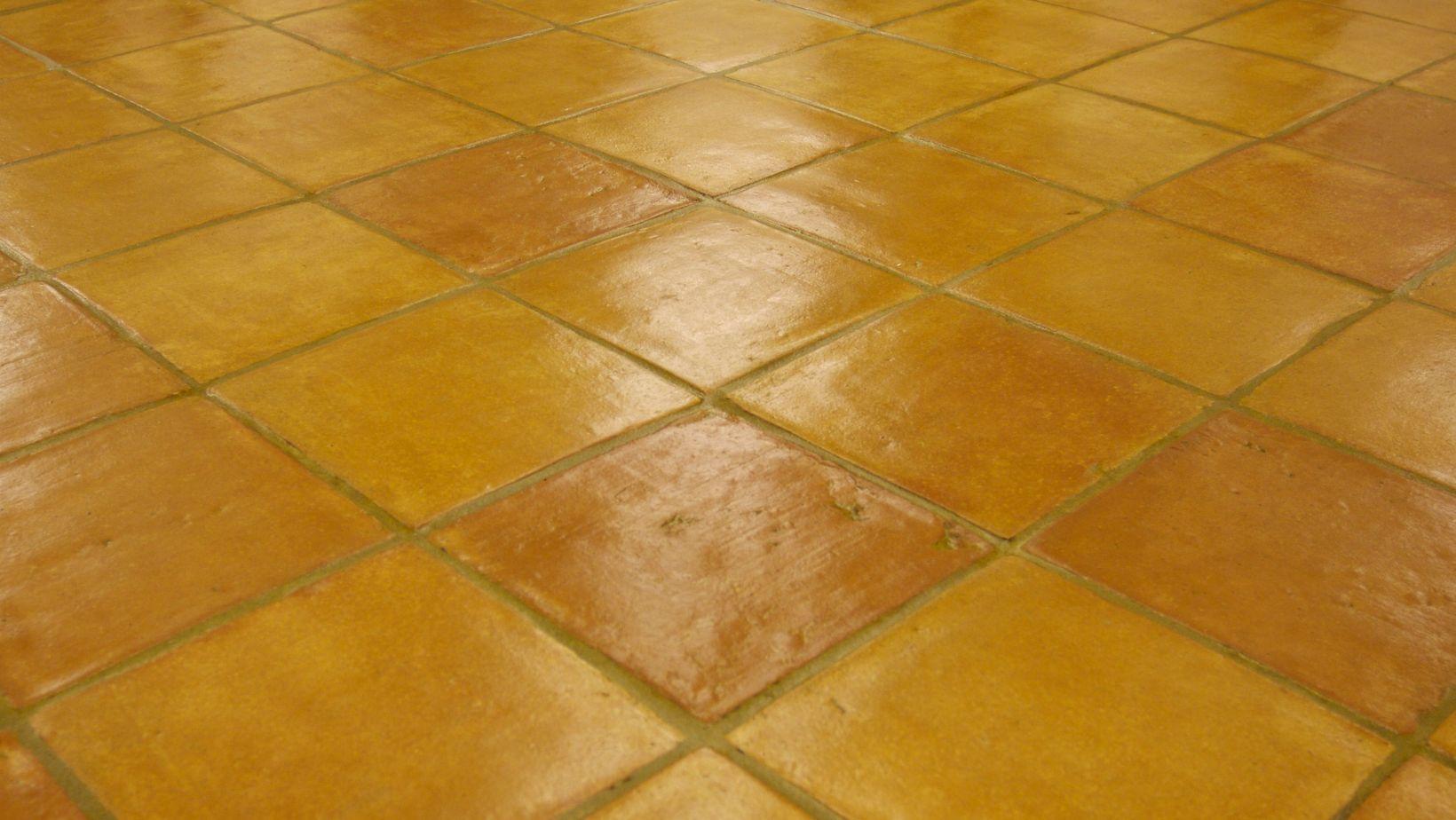
A shiny floor can make a business look clean, modern, and well cared for. In stores, hotels, apartment lobbies, offices, restaurants, and shopping centers, polished floors often create a strong first impression. However, a floor that looks attractive is not always safe for the people walking across it.
When floors are over-polished, over-waxed, or buffed without proper safety checks, they can lose needed traction. Customers may step onto the surface expecting normal footing, only to slide suddenly and fall hard. These accidents can lead to fractures, head injuries, back pain, knee damage, shoulder injuries, dental trauma, and other serious harm.
When Shine Becomes a Safety Problem
A polished floor is not automatically dangerous. Many businesses maintain glossy flooring safely by using the right products, following manufacturer instructions, and allowing proper drying time. The problem begins when appearance becomes more important than traction.
Over-polishing can leave a surface slick, especially under bright lights where glare makes it harder to see changes in the floor. A customer may not realize the floor is slippery until their foot slides forward or sideways. By then, the body may already be off balance.
Why Customers May Not Notice the Hazard
Unlike a spilled drink or puddle of water, an over-polished floor may not look like a hazard. It may appear clean and dry. There may be no visible liquid, no debris, and no warning that the surface has become unusually slick.
This makes these falls especially troubling. A customer walking normally through a lobby, aisle, hallway, or entrance may have no reason to slow down. If the floor’s appearance hides the lack of traction, the business may need to answer serious questions about its maintenance practices.
The Hidden Role of Floor Products
Floor waxes, sealants, cleaners, and polish products are not interchangeable. Using the wrong product for the flooring material can create a slick surface. Applying too much product, failing to rinse residue, or layering polish over old buildup can also reduce traction.
Some businesses rely on routine cleaning crews or outside maintenance contractors. If those workers use improper chemicals or skip safety steps, the floor may look freshly maintained while becoming unsafe. Product labels, cleaning schedules, and maintenance contracts may help reveal what went wrong.
Buffing Can Make a Floor Too Smooth
Buffing is often used to restore shine, remove marks, and create a clean appearance. However, excessive buffing can make certain floors too smooth for safe walking, especially in areas with heavy foot traffic.
A floor may also become more dangerous when buffing is done near entrances, elevators, checkout lanes, or dining areas where people frequently change direction. Customers may be carrying bags, pushing carts, holding food, or walking with children. A slick surface in these areas can create a high-risk fall zone.
Testing Traction Can Reveal a Preventable Hazard
Businesses should not rely only on how a floor looks. A surface can appear dry and clean while still lacking safe traction. In some cases, slip resistance testing may help determine whether the floor was unreasonably slippery.
This is where a deeper investigation can matter. A slippery floor accident lawyer in NYC may look at whether the floor was tested, whether the business followed maintenance standards, and whether employees or contractors knew the surface had become slick before the fall.
Warning Signs May Not Solve the Problem
A business might place a “caution” sign after polishing or mopping, but a sign does not automatically make the floor safe. If the entire walking path is slick, a warning may not give customers a practical way to avoid the danger.
The timing of the warning also matters. Was the sign placed before the accident or only afterward? Was it visible from the customer’s direction of travel? Was it close enough to the slick area? A warning sign may be helpful evidence, but it does not erase poor floor maintenance.
Repeated Complaints Can Show the Risk Was Known
An over-polished floor may create repeated problems. Customers may slip, employees may mention the surface is slick, or managers may notice people walking carefully across the same area. These earlier warning signs can become important evidence.
If a business received complaints and continued using the same cleaning method, the accident may appear less like a surprise and more like a preventable result. Prior incident reports, employee statements, maintenance notes, and customer complaints can help show whether the danger was ignored.
High-Traffic Areas Require Extra Care
Some spaces demand more careful floor maintenance because many people walk through them every day. Entrances, grocery aisles, hotel lobbies, elevators, escalator landings, restrooms, hallways, and checkout areas can become dangerous when over-polished.
A business should consider how customers actually use the space. People may walk quickly, carry items, turn corners, or move from carpet to tile without realizing the traction has changed. A shiny floor in a busy area can create a risk that ordinary customers are not prepared for.
Injuries Can Be Worse Than the Fall Looks
A slip on an over-polished floor may look minor to someone watching from a distance. But when a person’s feet slide suddenly, the fall can be violent. The victim may land on the back, hip, shoulder, wrist, knee, or head.
These falls can cause torn ligaments, herniated discs, concussions, broken bones, facial injuries, and long recovery periods. Some victims cannot return to work right away. Others need surgery, physical therapy, injections, mobility support, or long-term pain management.
Maintenance Contractors May Share Responsibility
Not every slippery-floor case points only to the property owner. If an outside company cleaned, waxed, sealed, or buffed the floor, that contractor’s work may need to be reviewed. A contractor may have used the wrong product, applied too much wax, failed to follow instructions, or left the floor unsafe for public use.
Contracts, invoices, work logs, training records, and product information can help determine who performed the maintenance and whether it was done properly. In some cases, both the business and the contractor may share responsibility for allowing customers onto a dangerous surface.
The First Report Can Shape the Claim
After a fall, the incident report may become one of the first written records of what happened. Victims should try to report the condition accurately, including that the floor felt slick, recently polished, waxy, greasy, or unusually smooth.
Details matter. If the shoes slid without visible liquid, that should be noted. If employees mentioned recent buffing or cleaning, that should also be documented. A clear early report can help prevent the business or insurer from later claiming there was no evidence of a slippery condition.
When a Mirror-Like Floor Reflects Poor Safety Choices
A polished floor should not come at the expense of customer safety. Businesses can keep floors clean and attractive while still using proper products, safe procedures, adequate warnings, and reasonable traction checks.
When over-polishing turns a walking surface into a hidden hazard, the issue is not just shine. It is whether the business placed appearance above prevention. A careful investigation can uncover cleaning mistakes, ignored complaints, unsafe products, or contractor errors that explain why a customer fell and who should be held accountable.