Central Europe is often explored at speed. Travellers arrive in Vienna for a couple of nights, squeeze in a day trip to Bratislava and then continue to Budapest, treating the three capitals as convenient stops on a longer itinerary. Yet each city has a character that takes time to appreciate. Their shared connection to the Danube gives them a natural link, but their architecture, food, history and everyday rhythms are remarkably different. Spending longer along this stretch of the river reveals more than a collection of famous landmarks. It means lingering over coffee in a Budapest café, discovering Bratislava's quieter streets beyond the Old Town and seeing Vienna after the crowds have left its grandest squares. Rather than rushing between capitals, give each destination enough room to surprise you.
Travelling Between the Danube Capitals by Rail
One of the advantages of exploring this part of Europe is how naturally the cities fit into a rail itinerary. Vienna, Bratislava and Budapest are connected by established international routes, allowing travellers to move between them without hiring a car. The railway network also makes it possible to extend the journey towards other Central European destinations, including Linz and Prague. The Railjet train is particularly useful on routes connecting Vienna with Budapest and other major cities. Comfortable seating, onboard services and direct connections make longer journeys straightforward, while the scenery offers glimpses of the countryside between urban stops. Bratislava is also well connected to Vienna by frequent regional services, making the two cities easy to combine. There is no need to change hotels every night simply to cover more ground.
Budapest: A City Best Enjoyed at a Gentle Pace
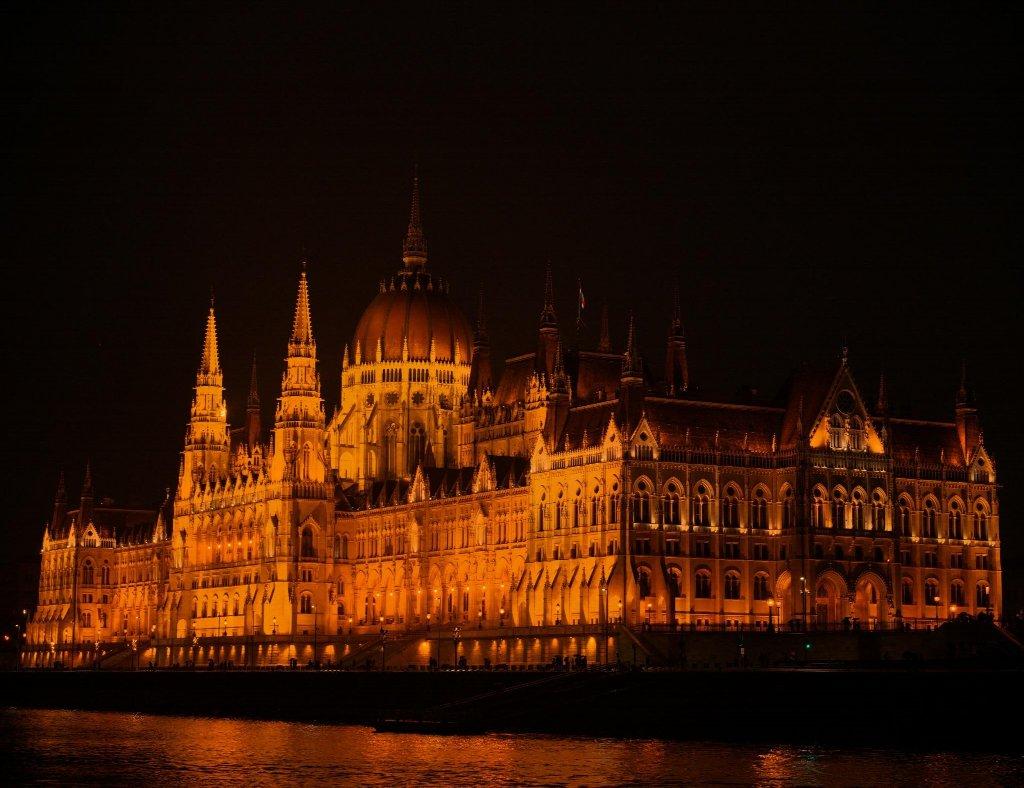
Budapest makes an immediate impression, particularly from the banks of the Danube. The Hungarian Parliament Building dominates the Pest waterfront, while Buda Castle and the historic Castle District rise on the opposite side. Walking across the Chain Bridge provides one of the city's classic views, but the real pleasure comes from exploring the neighbourhoods beyond the postcard scenes. Spend a morning around Castle Hill, where cobbled streets, colourful buildings and the Fisherman's Bastion create an atmosphere that feels far removed from the busier commercial centre. Budapest also deserves time for its thermal baths. Széchenyi, with its grand yellow buildings and outdoor pools, is the most recognisable, while Rudas offers a more historic bathing experience. Visiting a bathhouse is not simply another attraction to tick off. It is part of the city's social culture, and spending a few unhurried hours there provides a welcome contrast to sightseeing. The journey between the Hungarian and Slovak capitals is straightforward, making the Budapest to Bratislava train a useful connection for travellers building a multi-city itinerary. Rather than treating Bratislava as a brief stop along the way, consider spending at least two nights there. That leaves time to visit Devín Castle, located where the Danube meets the Morava, or to explore the riverfront without constantly checking the clock.
Bratislava: More Than a Convenient Stop Between Capitals
Bratislava is frequently given only a few hours, partly because its compact historic centre makes it easy to explore on a short visit. However, staying overnight reveals a more relaxed side of the Slovak capital. Once the day-trippers have departed, the Old Town becomes a pleasant place for an evening walk, with outdoor terraces, small wine bars and restaurants tucked into its narrow streets. Begin around Hlavné námestie, the main square, before following the lanes towards St Martin's Cathedral. The city's coronation history is still visible in the streets, where small crown markers trace the route once followed by Hungarian monarchs. Bratislava Castle, perched above the river, provides an excellent viewpoint, particularly towards the modern districts and the Danube bridges. Food is another reason to stay. Traditional Slovak dishes include bryndzové halušky, potato dumplings served with sheep's cheese and bacon, while Bratislava's cafés are known for pastries such as Bratislavský rožok. The city's wine culture is also worth exploring, with vineyards in the surrounding Little Carpathians producing local varieties that rarely receive the attention they deserve abroad.
Vienna: Imperial Grandeur Beyond the Famous Sights
Vienna has a reputation for grand palaces, classical music and elegant coffee houses, but its appeal extends well beyond the familiar tourist circuit. The historic centre is an obvious starting point, with St Stephen's Cathedral, the Hofburg and the streets around Graben forming a remarkably impressive architectural setting. Still, visitors who stay longer can discover a city with a more contemporary and neighbourhood-focused character. The MuseumsQuartier is a good place to begin. Its museums, courtyards and cafés attract a mixture of art lovers, students and locals, creating a lively atmosphere throughout the year. Nearby Neubau is particularly enjoyable for independent shops, galleries and restaurants, while the Naschmarkt offers a more colourful introduction to Vienna's food scene.
The Danube Is Part of the Experience
The river itself deserves more attention than it usually receives on a city-hopping holiday. In Budapest, evening cruises reveal the illuminated Parliament and bridges from a particularly impressive angle. In Bratislava, riverside paths provide space to walk, cycle or simply watch boats passing through the city. Vienna's Danube Island, meanwhile, offers a more recreational setting, popular with locals for cycling, swimming and outdoor activities during warmer months. A boat trip can also provide a different perspective on the landscape between the cities. Depending on the season and available services, river excursions range from short sightseeing trips to longer journeys through the surrounding countryside. Those interested in exploring the Wachau should allow extra time for villages such as Dürnstein and Melk, where vineyard-covered slopes and historic buildings create a memorable contrast to the capitals.
Give Each City Its Own Story
Budapest, Bratislava and Vienna are close enough to make a combined trip easy, but their similarities should not encourage visitors to rush through them. Each has its own traditions, culinary identity and relationship with the Danube. The Hungarian capital is energetic and atmospheric, Bratislava is intimate and quietly confident, while Vienna combines imperial history with an unmistakably modern cultural scene. Allowing more time in each place changes the experience completely. Instead of collecting photographs of famous buildings before moving on, travellers can discover neighbourhood cafés, local markets, riverside paths and the everyday details that give these cities their personality. Central Europe's Danube capitals are not simply stops on the same route. They are destinations worth getting to know individually.